




Keep your production ML models reliable, governed, and trusted over time

Deployment is not the finish line for machine learning. We help teams detect drift, manage retraining, and build the operational processes that keep production ML systems reliable, governed, and trusted long after go-live.

Model monitoring and lifecycle management is the ongoing process of detecting drift, tracking model performance against business KPIs, managing retraining cadences, and maintaining governed model versioning after a machine learning model is deployed to production.

Lunar Point Systems implements these processes natively inside Microsoft Fabric for enterprise teams that need production ML systems to remain accurate and trustworthy over time.

Drift and performance visibility tied to business impact metrics, not just model accuracy
Governance-aligned retraining patterns with defined approval and versioning controls
Built for long-term model stewardship by your internal team
Work with a trusted Microsoft certified team
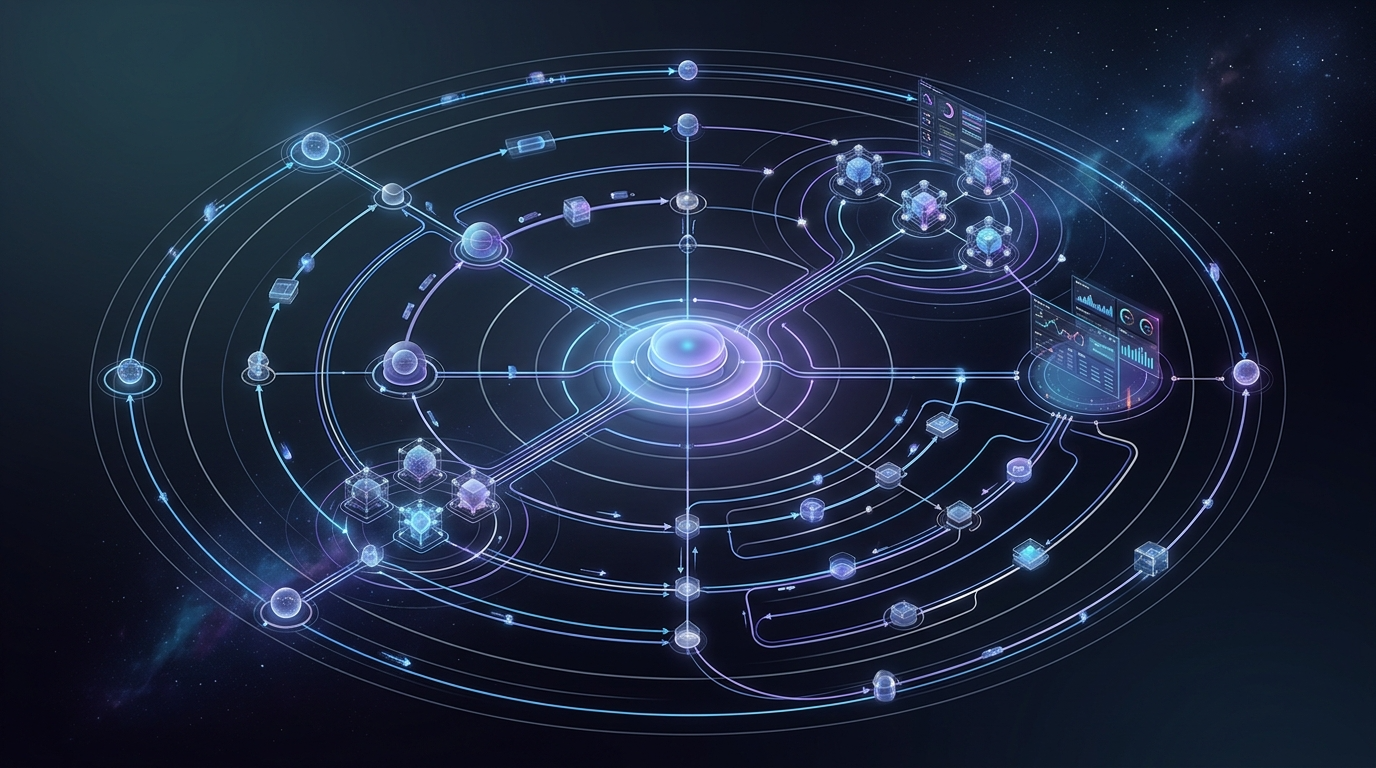
Abstract flowing lines with blue and white glowing dots on a dark background, resembling data streams or fiber optic cables.

A model that performs well at launch can degrade silently over time.

Data distributions shift. Business conditions change. Without the right monitoring and lifecycle controls in place, production ML systems become unreliable before anyone realizes something is wrong. This service puts the right processes in place before that happens.

Detect model drift and data drift before they affect business outcomes
Formalize retraining decisions with clear triggers, approval checkpoints, and versioning
Improve confidence in deployed models with consistent performance tracking
Strengthen post-deployment governance so model changes are controlled and auditable

The practical difference for your team.

No Separate Vendor Assessment
Because we operate inside your environment, your security team doesn't need to onboard or assess us as an external vendor. We fall within the perimeter they already manage.
Fits Regulated Industries
Healthcare, finance, and government teams can engage confidently. No data leaves your environment, so existing data transfer restrictions simply don't apply.
See Our Services
See Our Services
Faster Time to Value
No new vendor onboarding, no procurement cycles, no integration work. We operate inside the stack you already own and can start immediately.
How We Work
How We Work
Full Control Stays With You
You define the access, own every output, and can revoke permissions at any point. Nothing we build or touch leaves your control.
See How to Engage
See How to Engage

Everything you need to know

How this service works, what’s included, and what to expect from an engagement. If yours isn’t answered here, the fastest path is a short conversation.

What is model monitoring and lifecycle management?

Model monitoring and lifecycle management is the ongoing practice of detecting drift, tracking performance against business KPIs, managing retraining cadences, and maintaining governed model versioning after a machine learning model is deployed to production inside Microsoft Fabric.

Can you add monitoring to models that are already live?

Yes. This service is specifically designed for teams with existing production models. Lunar Point Systems assesses the current monitoring gaps and implements the right controls without requiring a rebuild of the model itself.

What should be monitored in a production ML model?

Monitoring requirements depend on the use case, but typically include model performance against defined KPIs, input data distribution (data drift), prediction distribution (model drift), retraining trigger conditions, and operational alerting for failures or threshold breaches.

How often should models be retrained?

It depends on the model and how quickly the underlying data changes. Some models need retraining quarterly, others when drift signals cross a defined threshold. Arbitrary schedules create unnecessary work and miss the point. We define the triggers, the approval checkpoints, and the versioning controls so retraining happens when it should, not just when someone remembers to check.

Is this only useful for large ML programs?

No. Even a small number of production models benefit from structured monitoring, defined retraining processes, and operational governance. The cost of undetected drift grows with business reliance on the model, regardless of program size.

Build, Deploy, and Operate Machine Learning in Microsoft Fabric

We help organizations move machine learning from experimentation to reliable production by designing and implementing Fabric-native ML systems that align with enterprise data, security, and governance standards.

Whether you’re building your first production model or scaling an existing ML footprint, we work inside your Fabric environment to ensure models are owned, operated, and evolved confidently by your teams.

Start a conversation about your Fabric roadmap

Section Bg